





STUDY: Caffeine improves driving performance and reduces sleepiness
Drowsy driving is a major cause of crashes — and this study shows that even a single low dose of caffeine, the amount in one cup of coffee, measurably sharpens driving on a long, monotonous stretch.
The Study at a Glance
Design: Double-blind, placebo-controlled, crossover trial
Participants: 24 healthy, non-sleep-deprived volunteers
Intervention: After 2 hours of monotonous simulated highway driving, a 15-minute break with caffeinated coffee (80 mg caffeine) or decaf, then 2 more hours of driving
Primary measure: Standard deviation of lateral position (SDLP) — how much the car weaves within the lane, a validated real-world impairment metric
What They Found
Caffeine made drivers steadier on every measure. The caffeinated group weaved significantly less (lower SDLP) in both the first hour (p=0.024) and second hour (p=0.019) after the break. They also held a more consistent speed, reported less mental effort, and rated themselves markedly less sleepy across both hours (sleepiness p=0.001 and p=0.002). Subjective driving quality improved too. The effect held for a full two hours after a single 80 mg dose — and crucially, these were non-sleep-deprived people, meaning caffeine helped even when the drivers weren't running on no sleep.
Why This Matters for REV
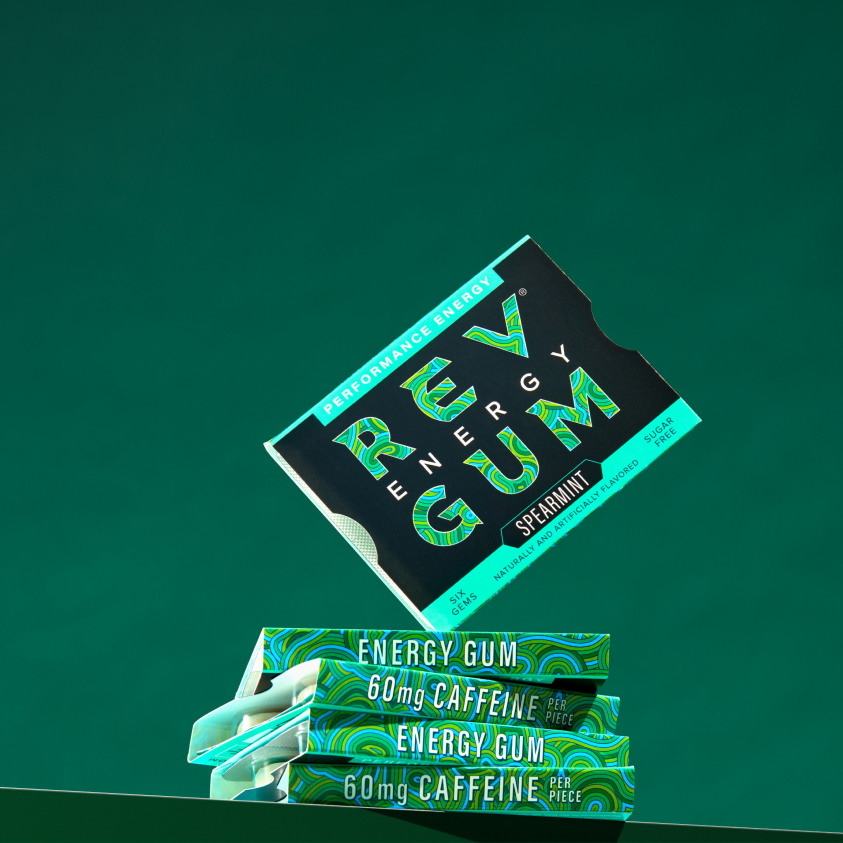
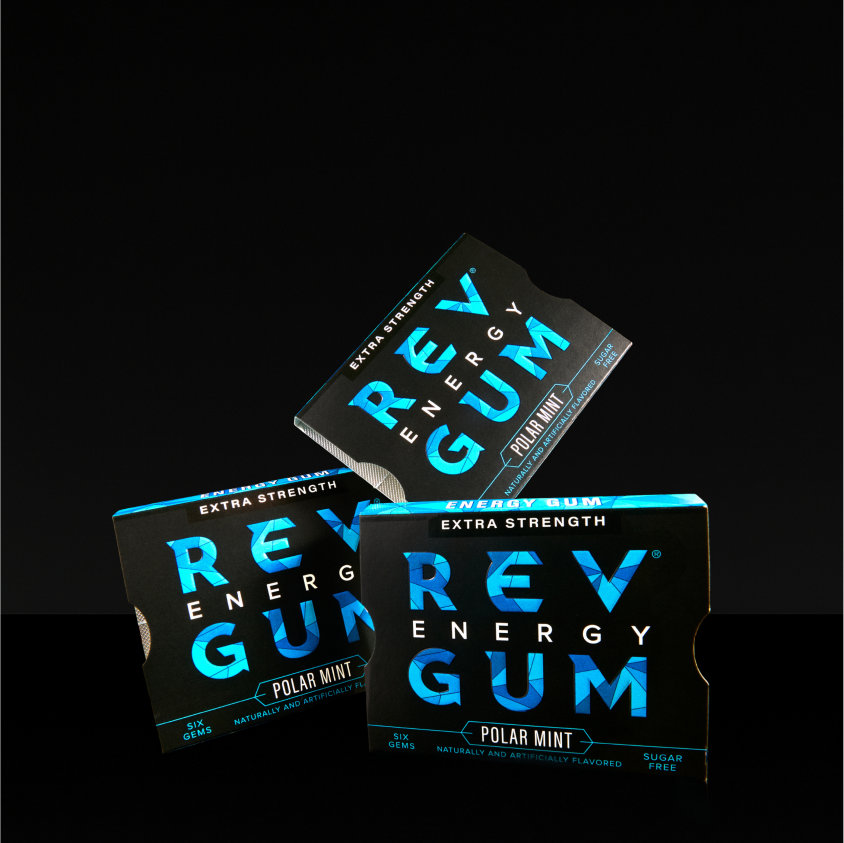
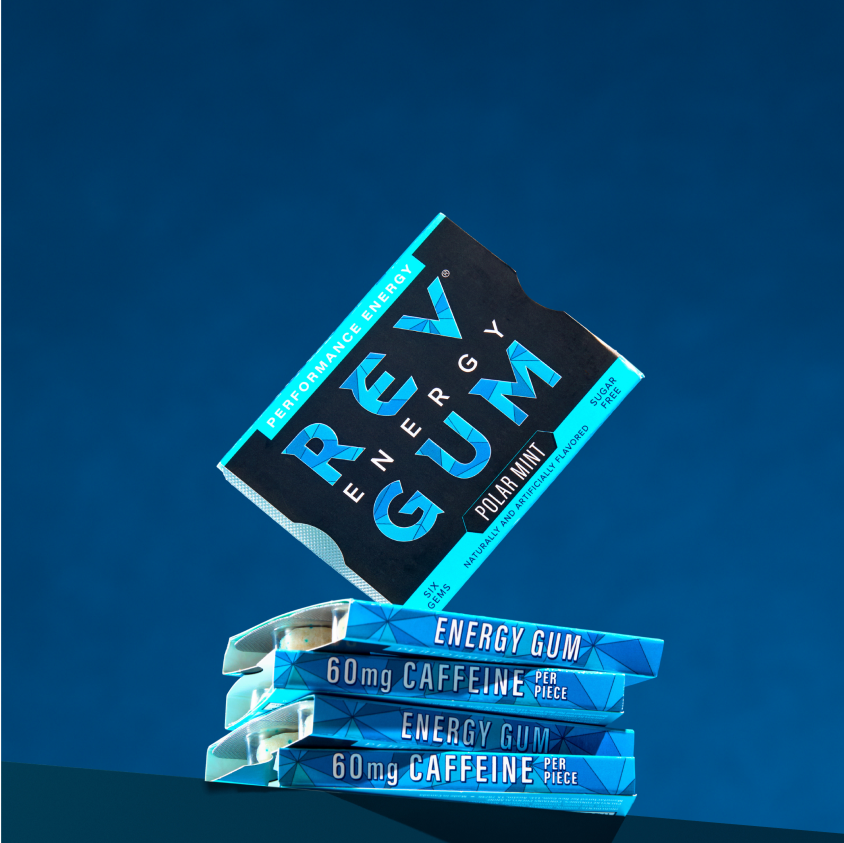
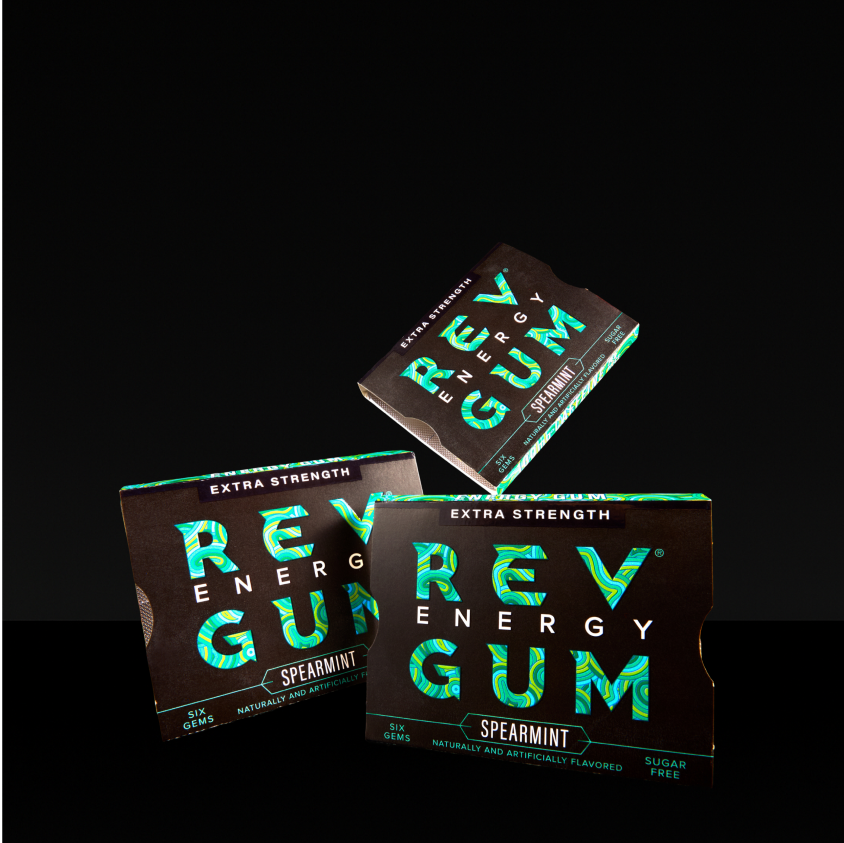
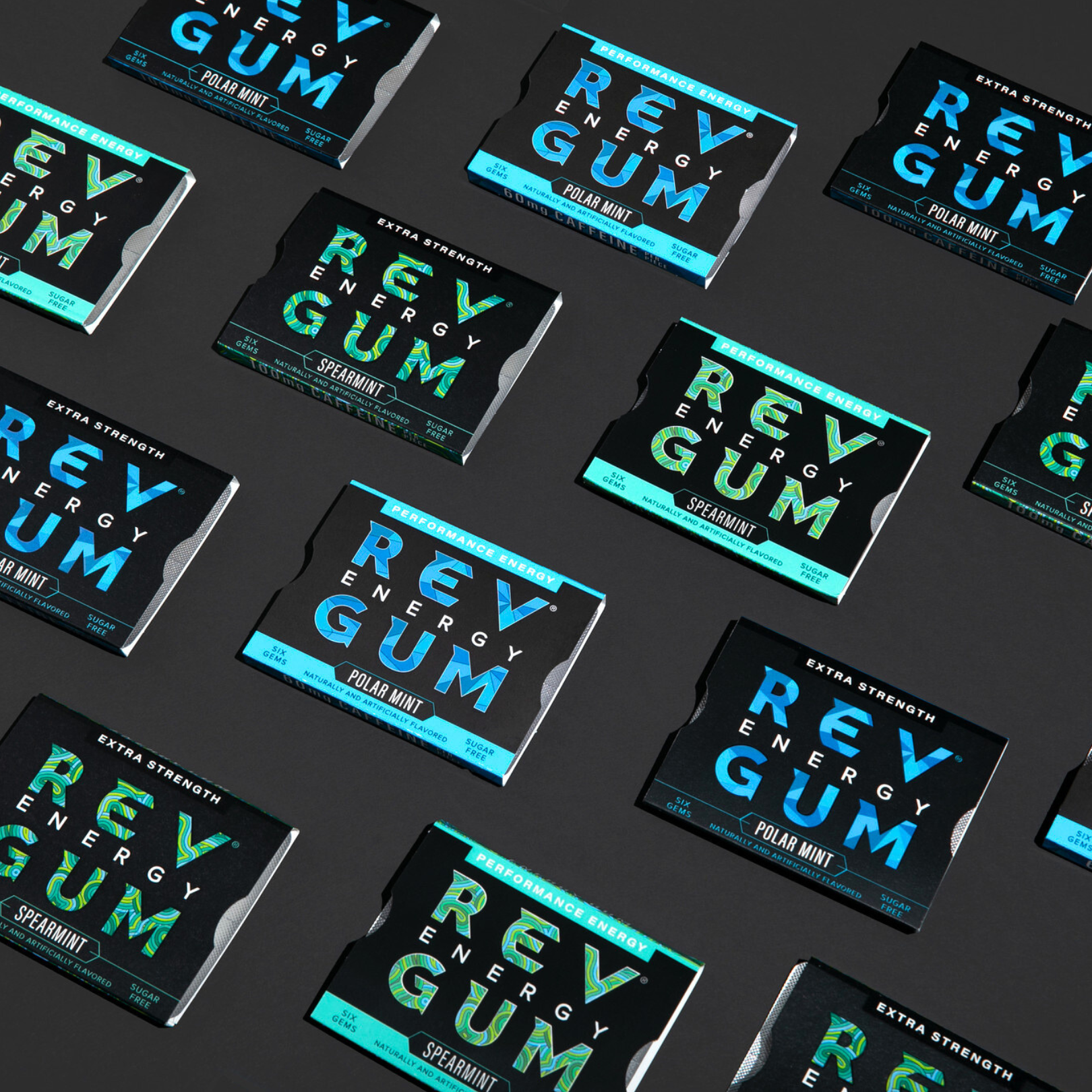
The dose that did all this — 80 mg — is right in REV's range: between one Performance piece (60 mg) and one Extra Strength piece (100 mg). It's a clean illustration of caffeine's value for sustained-attention tasks like a long drive. And gum has a practical edge here: you can dose precisely without pulling over to brew or buy coffee, and REV's faster buccal absorption means it kicks in within minutes — useful when you feel road fatigue setting in mid-drive rather than at the next rest stop.
A Few Caveats
This was a simulator study using coffee, not gum, so it speaks to caffeine's effect on alertness generally, not to REV specifically. Caffeine is no substitute for actual rest — if you're genuinely sleep-deprived, the safe move is to stop and sleep, not to push on. And the usual guidance applies: mind your total daily caffeine and your individual sensitivity.
Read the full study: Effects of coffee on driving performance during prolonged simulated highway driving — Psychopharmacology (PMC3382640)