



New study reaffirms risk of too much sodium, too little potassium
STUDY: Too Much Sodium, Too Little Potassium Raises Cardiovascular Risk
A large, rigorously-measured study reinforced what nutrition science has long pointed to: it's not just how much sodium you eat — it's your sodium-to-potassium balance that matters for heart health.
The Study at a Glance
Source: Published in the New England Journal of Medicine (2021), presented at the American Heart Association Scientific Sessions
Participants: 10,709 generally healthy adults (average age 52) pooled from six studies across the U.S. and Europe
Method: Sodium and potassium measured by multiple 24-hour urine samples — considered the gold-standard method, and the reason this study cut through years of mixed results from lower-quality research
Follow-up: ~8.8 years, during which 571 cardiovascular events (heart attacks, strokes) occurred
What They Found
Three signals all pointed the same way: higher sodium, lower potassium, and a higher sodium-to-potassium ratio were each linked to greater cardiovascular risk. After adjusting for other risk factors, people with the highest sodium levels (~4,700 mg/day) were 60% more likely to have a cardiovascular event than those with the lowest (~2,200 mg). And people with the highest potassium intake (~3,500 mg) had 31% lower risk than those with the least. Potassium appears to counteract sodium's effect on blood pressure — so getting enough of it is protective.
For context, the average American eats ~3,400 mg of sodium a day, well above the AHA's 1,500–2,300 mg target, while most adults fall short of the 4,700 mg/day of potassium recommended.
Why This Matters for REV
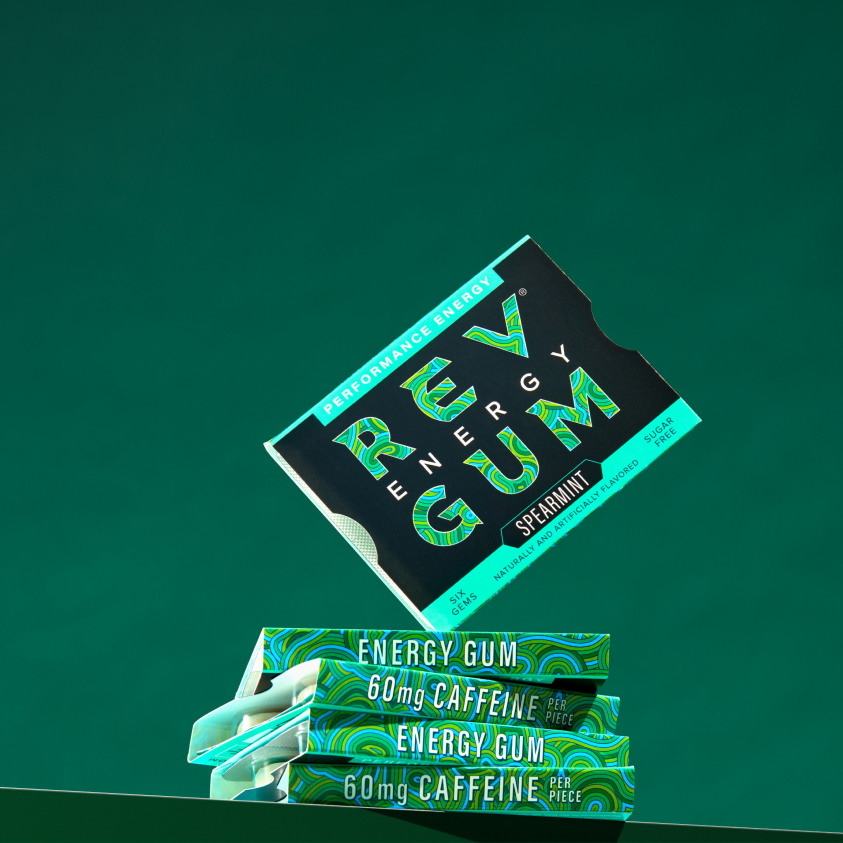
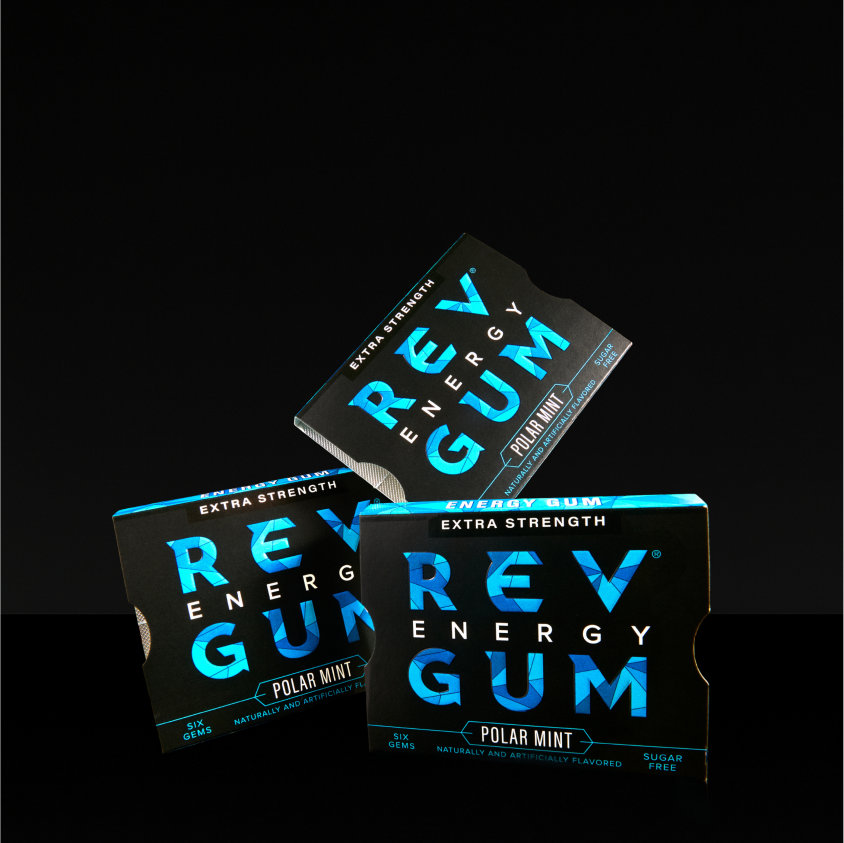
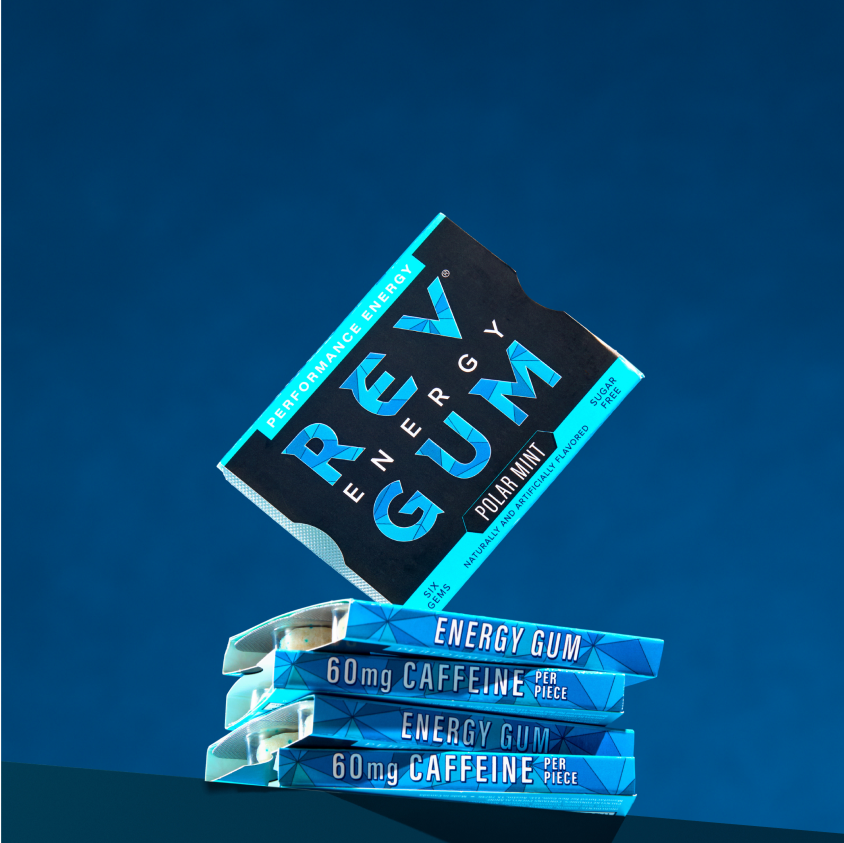
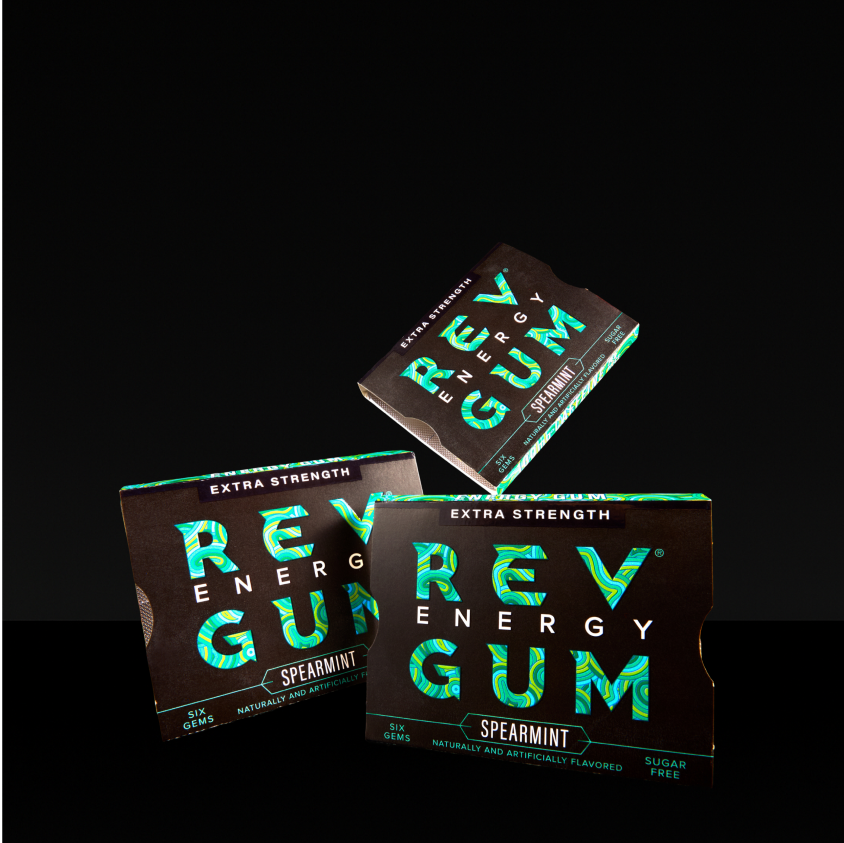
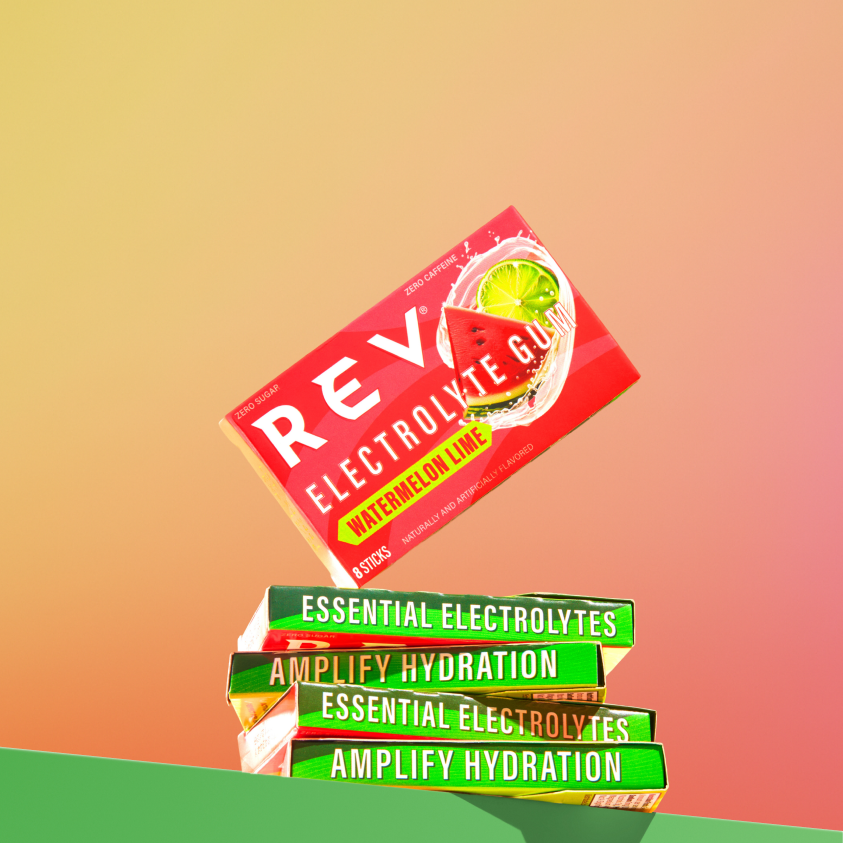
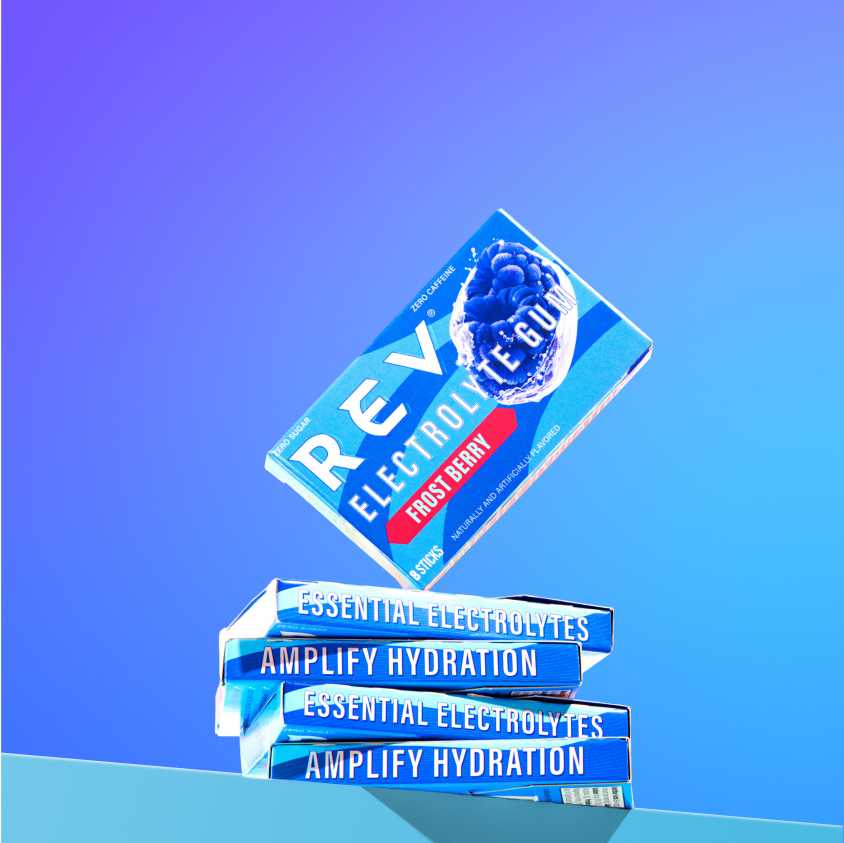
The takeaway most people miss: sodium isn't the electrolyte the typical person needs to chase — potassium is. Americans generally get too much sodium and too little potassium, and it's the ratio that drives risk. That's the reasoning behind why REV Electrolyte Gum is built around potassium and magnesium and skips added sodium — it targets the side of the balance most people are actually short on.
A Few Caveats
This was an observational study, so it shows association, not proof of cause; the participant pool was mostly white, and the authors called for more diverse follow-up. It's also a general-population heart-health study, not an athletic-performance or supplementation study — REV Electrolyte Gum is a convenient way to add potassium and magnesium, not a treatment for any condition. Anyone with kidney disease, blood-pressure conditions, or on a doctor-directed electrolyte plan should follow their physician's guidance.
Read more: New study reaffirms risk of too much sodium, too little potassium — American Heart Association News · Full study in NEJM