



STUDY: Sodium Supplementation Not Required During Ironman Triathlon
STUDY: Sodium Supplementation Not Required During an Ironman Triathlon
If you've been loading up on salt tablets for endurance events, a large field study suggests you may not need to. Researchers tracked 413 athletes through one of the most punishing endurance tests there is — a full Ironman triathlon — and found that extra sodium didn't change the outcome.
The Study at a Glance
Design: Prospective randomized trial
Setting: The 2001 Cape Town Ironman (3.8 km swim, 180 km cycle, 42.2 km run — roughly 12 hours of continuous effort)
Participants: 413 triathletes who completed the race
Intervention: Sodium tablets (620 mg salt each), placebo, or no supplement — taken freely at 1–4 per hour
Outcome: Blood sodium concentration before and after the race
What They Found
The sodium group swallowed an extra ~3.6 g of sodium over the race. It made no measurable difference. Across the sodium, placebo, and no-supplement groups, there were no significant differences in post-race blood sodium, finishing time, body-weight change, temperature, or blood pressure. Critically, athletes who took no sodium at all did not develop hyponatremia (dangerously low blood sodium). The researchers concluded that your body's own defenses — releasing sodium from internal stores and adjusting fluid balance — are enough to hold blood sodium steady, even across 12 hours of racing.
Why This Matters for REV
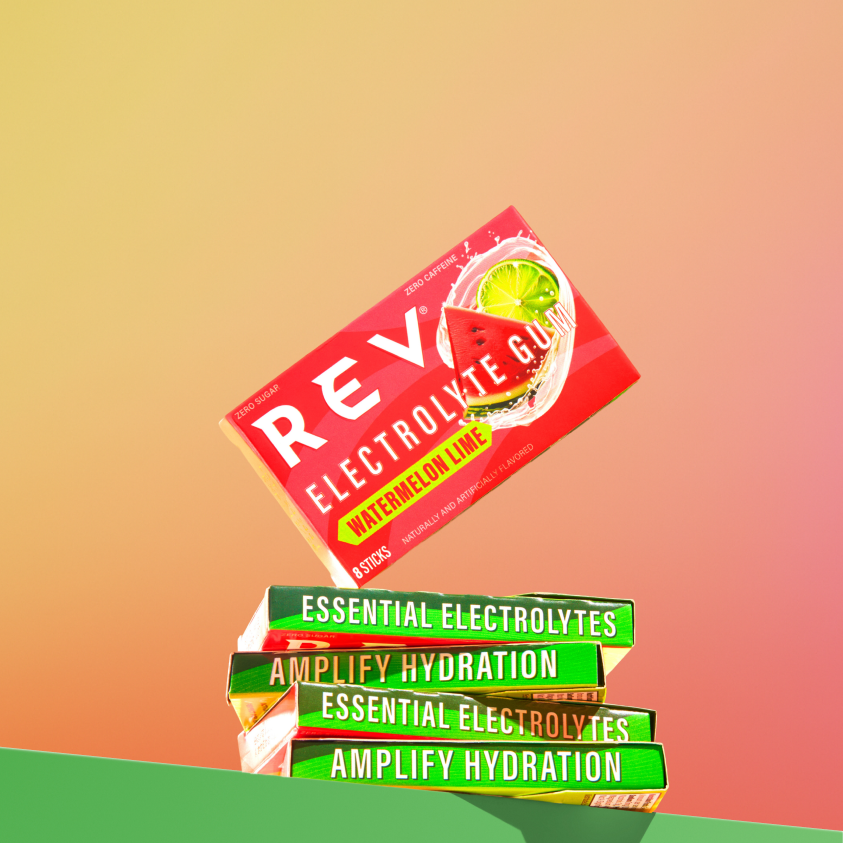
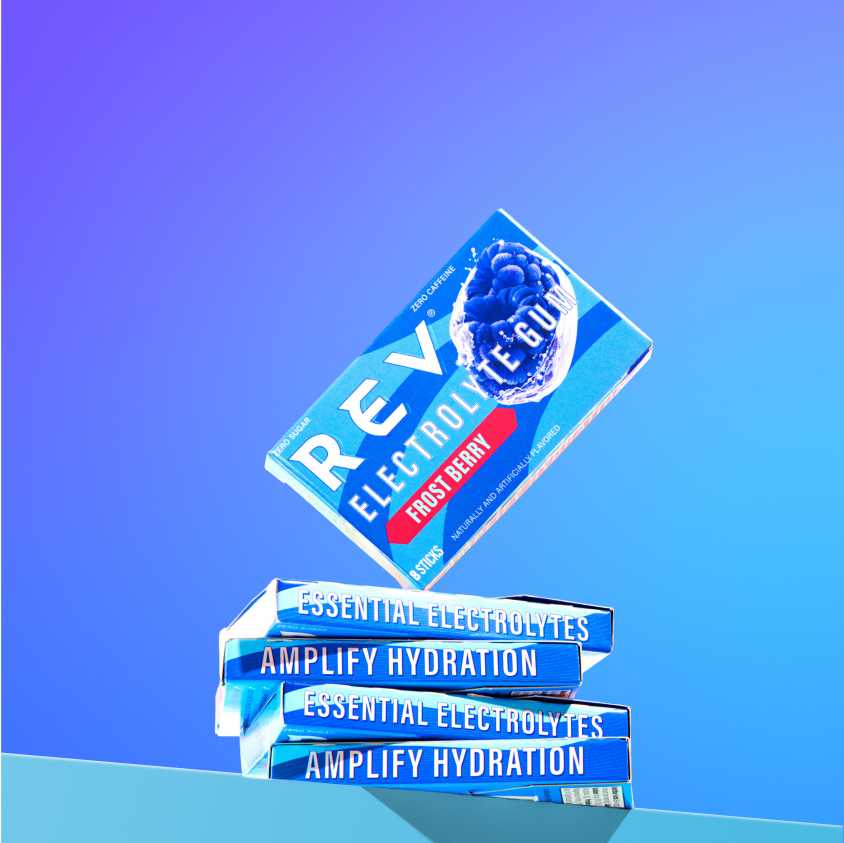
The endurance world has long treated sodium as the electrolyte you have to chase. This research points elsewhere: the study notes that a normal Western diet already supplies well above the daily sodium most people need, and the body defends its sodium levels well on its own. It's the same reasoning behind why REV Electrolyte Gum skips sodium and focuses on potassium and magnesium — the electrolytes most people are actually short on, and the ones that support fluid balance inside your cells, muscle function, and energy production. You're likely getting plenty of salt already; what you sweat out and rarely replace is potassium and magnesium.
A Few Caveats
This study looked at maintaining blood sodium in healthy, trained athletes — not at flavor, perceived performance, or extreme "salty sweaters," who may have different needs. Hydration still matters: electrolytes support fluid balance, they don't replace water. And anyone with kidney issues, blood-pressure conditions, or a doctor-directed sodium plan should follow their physician's guidance.
Read the full study: Sodium supplementation is not required to maintain serum sodium concentrations during an Ironman triathlon — British Journal of Sports Medicine (PMC2492002)