
STUDY: Caffeine Increases Fat Oxidation During Exercise
Caffeine doesn't just wake you up — it nudges your body toward burning fat for fuel during exercise. A 2026 randomized trial measured exactly that, and found a sweet spot where the metabolic benefit shows up without piling on cardiovascular strain.
The Study at a Glance
Design: Randomized, double-blind, placebo-controlled trial
Published: Journal of the International Society of Sports Nutrition (2026)
Participants: Sedentary overweight/obese young women
Intervention: Placebo or caffeine at 3, 5, or 9 mg/kg, followed by 40 minutes of walking at the intensity of maximal fat burning
Measured: Substrate oxidation (via indirect calorimetry), heart rate, and blood pressure
What They Found
Caffeine at 3 and 5 mg/kg significantly increased fat oxidation during exercise compared to placebo — and to the highest 9 mg/kg dose, which offered no extra metabolic benefit. Carbohydrate oxidation dropped correspondingly, confirming a genuine shift toward fat as fuel. Notably, more wasn't better: the 5 mg/kg dose raised heart rate and blood pressure, while 3 mg/kg delivered the fat-burning effect without that cardiovascular cost. The authors concluded 3 mg/kg is the optimal balance.
Why This Matters for REV
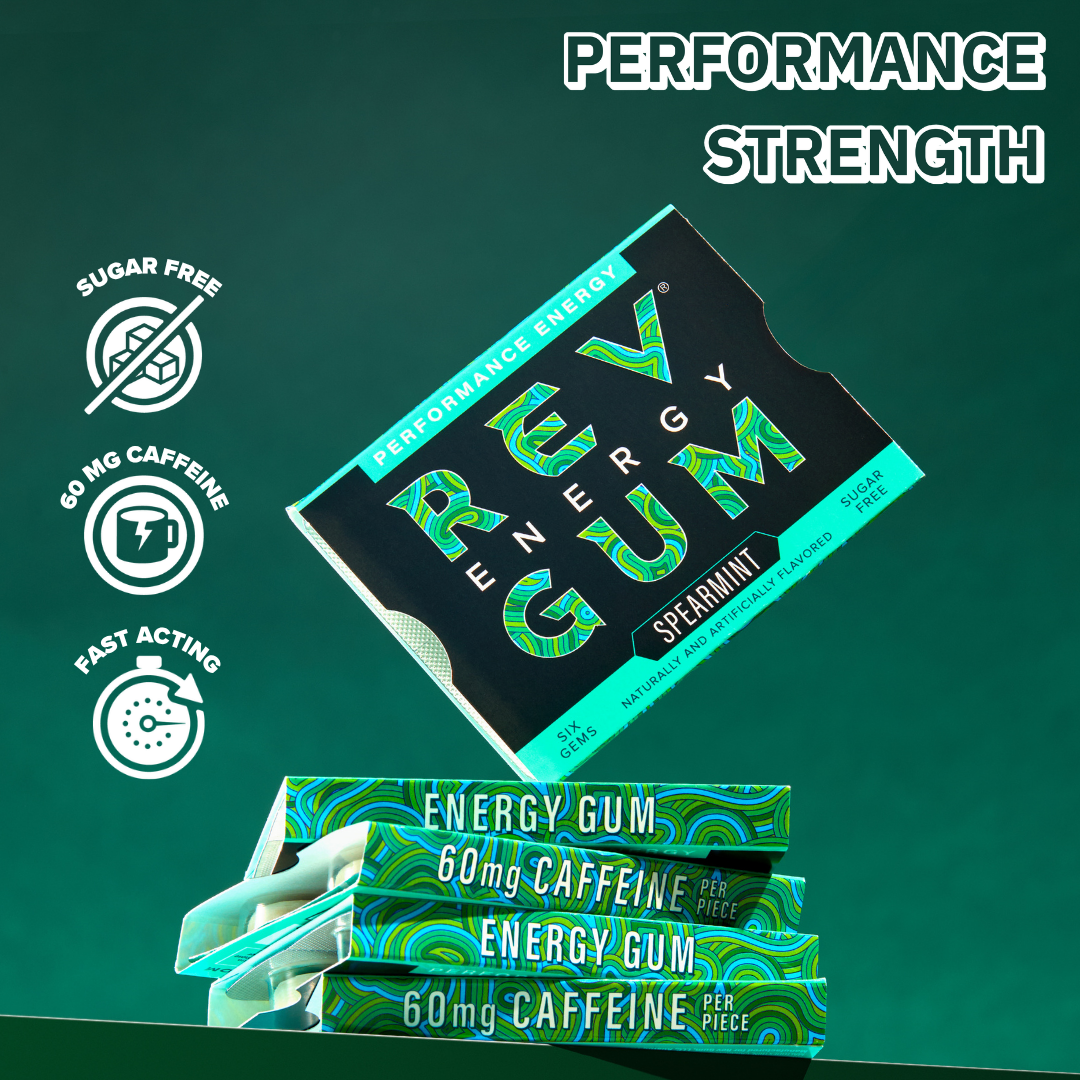
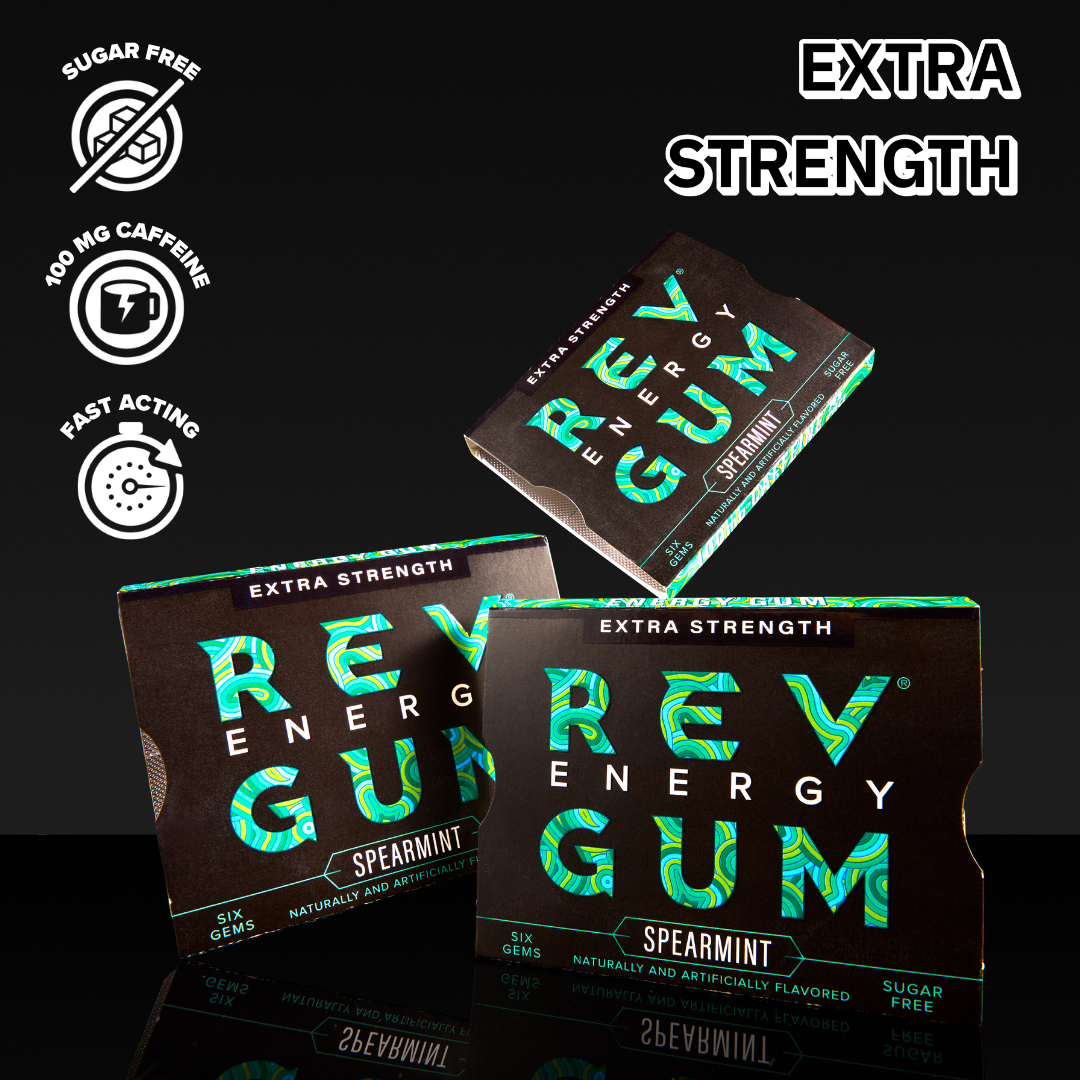
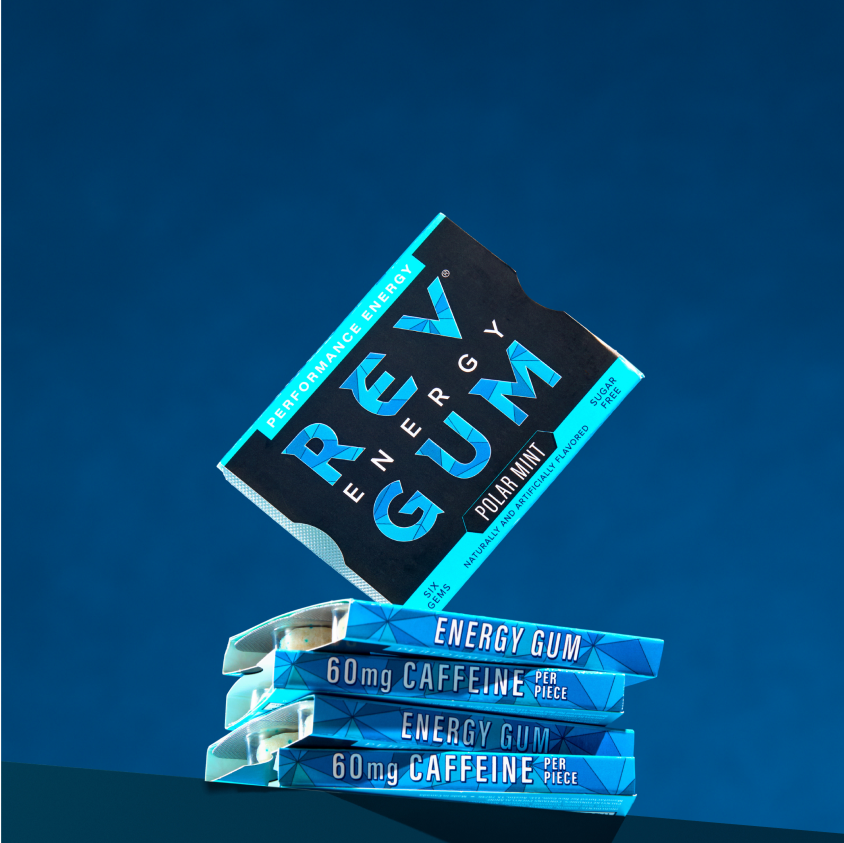
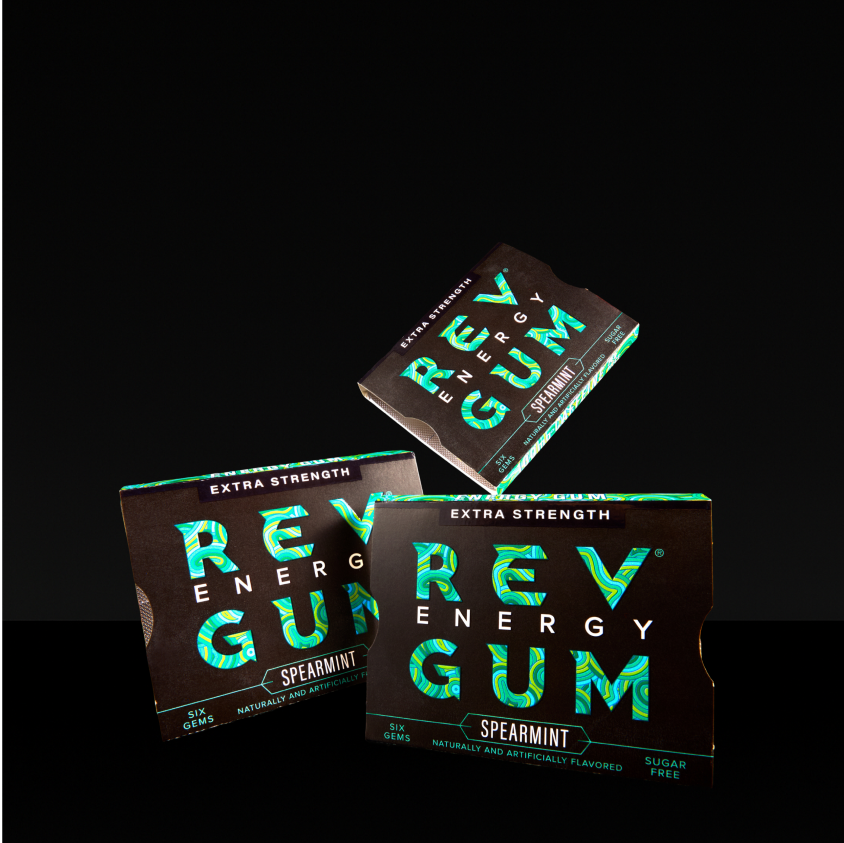
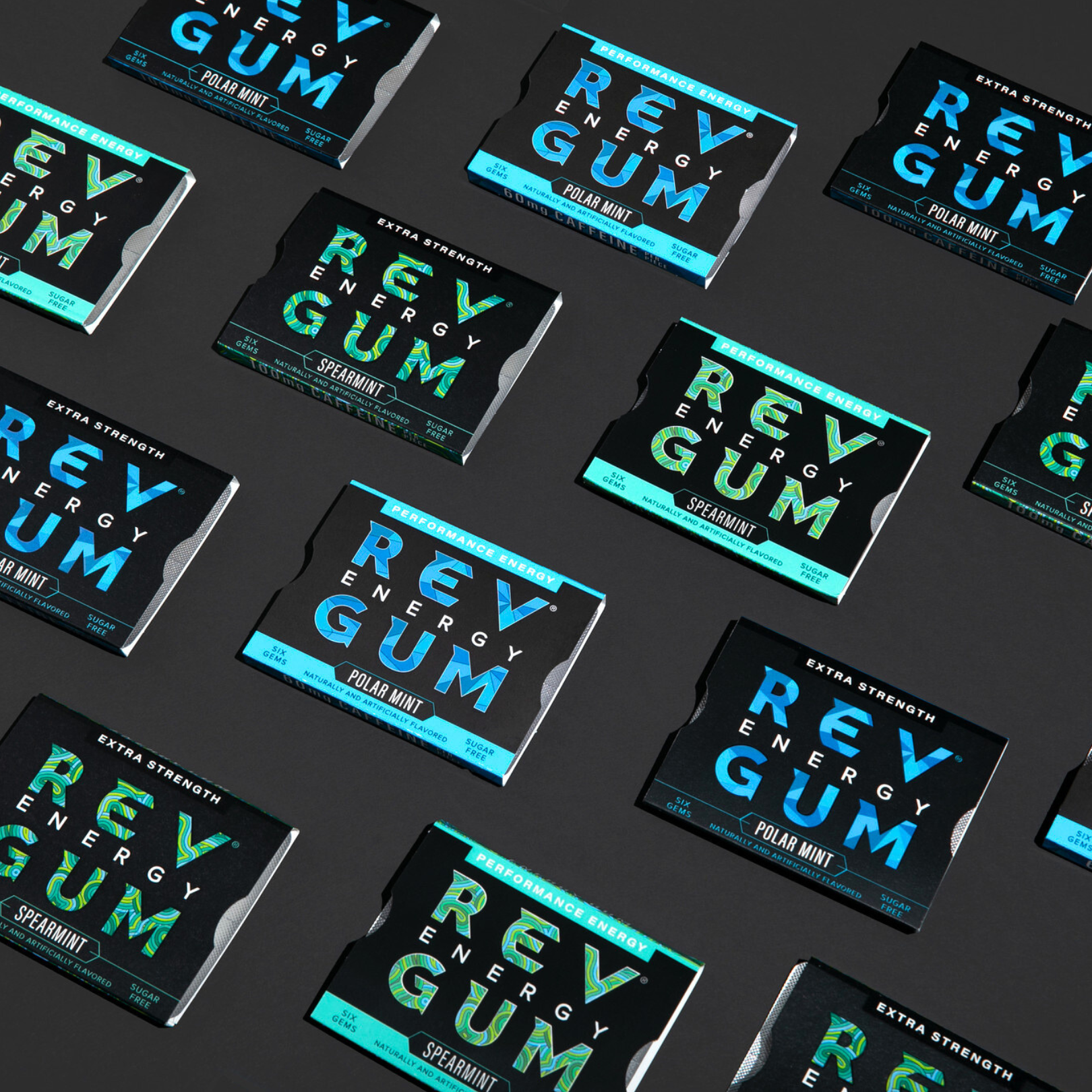
This is the evidence behind REV's "supports metabolism" benefit. A moderate dose of caffeine before activity helps your body lean on fat for fuel — and REV makes moderate, precise dosing easy: one Performance piece (60 mg) or one Extra Strength (100 mg) lets you stay in that effective, lower-strain range rather than overshooting. The study's headline finding — that the lowest effective dose was the best — is a useful reminder that with caffeine, controlled dosing beats "more."
A Few Caveats
This was a small study in sedentary overweight/obese women, so results may differ across populations and fitness levels; dosing is weight-based; and fat oxidation during a single session isn't the same as long-term fat loss. Mind your total daily caffeine and individual sensitivity.