
STUDY: Caffeine gum improves 5k running performance
Want a smarter edge on race day? In a real-world parkrun study, recreational runners ran measurably faster after chewing caffeine gum — and the effort felt easier too.
The Study at a Glance
Design: Double-blind, placebo-controlled, crossover trial
Setting: Real 5 km parkrun events (Sheffield Hallam, UK) — not a lab treadmill
Participants: 36 recreational runners (able to run 5 km under 25 minutes)
Intervention: Gum supplying 300 mg of caffeine, or placebo, chewed for 5 minutes starting 30 minutes before the run
Outcome: 5 km finishing time and rate of perceived exertion (how hard the effort felt)
What They Found
Caffeine gum improved 5 km times by an average of 17.3 seconds (95% CI 4.2–30.4; P=0.01). Even after the researchers adjusted for weather differences between runs, the benefit held up (P=0.04). Just as notably, runners rated the effort as easier — perceived exertion dropped by about 1.2 units versus placebo. So they ran faster and it felt less hard, in an actual race setting rather than a controlled lab.
Why This Matters for REV
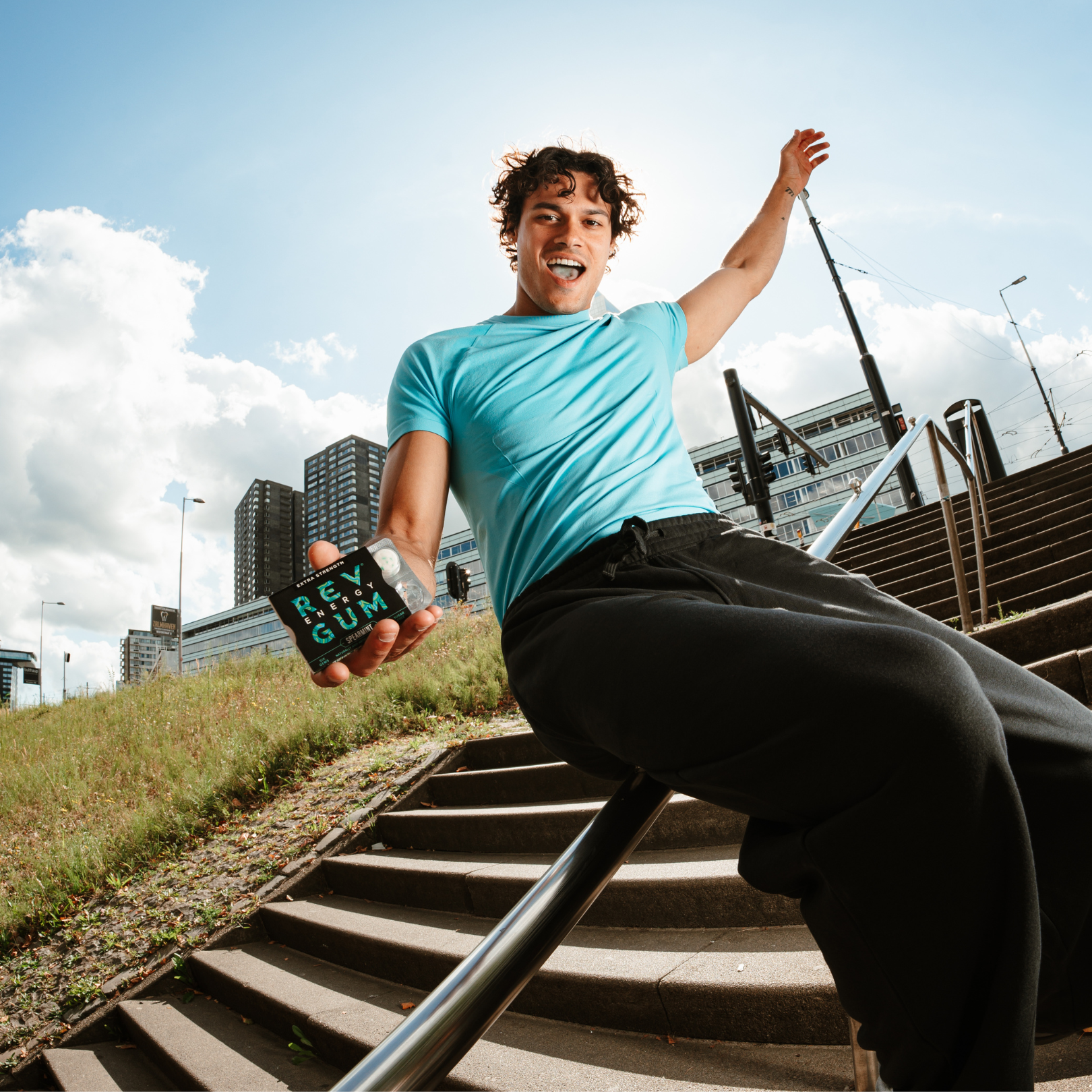
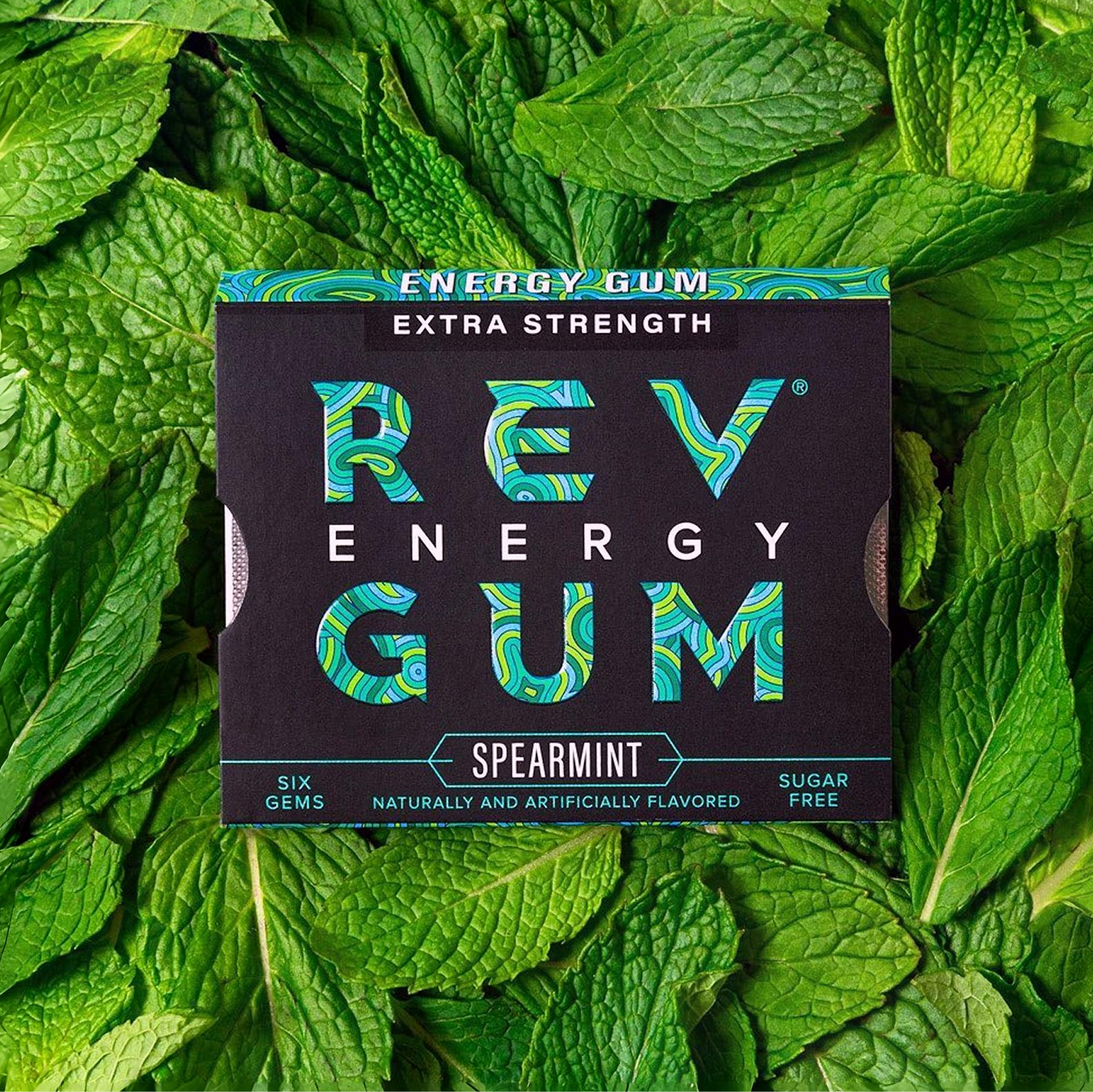
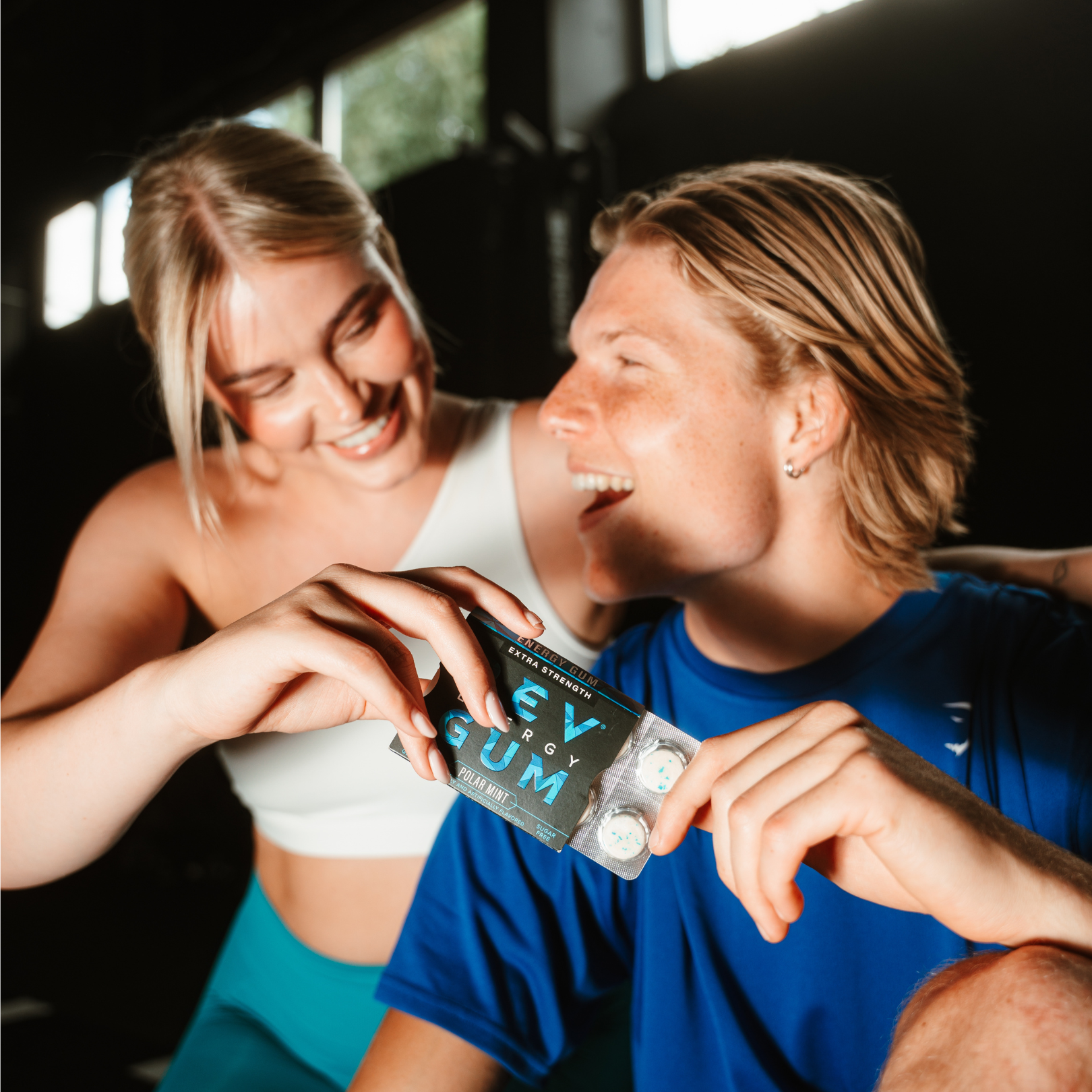
Seventeen seconds is a meaningful margin over 5 km for a recreational runner. This is exactly the use case REV is built for — fast-absorbing caffeine you can dose right before you start, with nothing to carry or drink mid-run. The "felt easier" finding matters as much as the clock: lower perceived exertion is part of why caffeine is the most-studied legal performance aid there is.
A Few Caveats
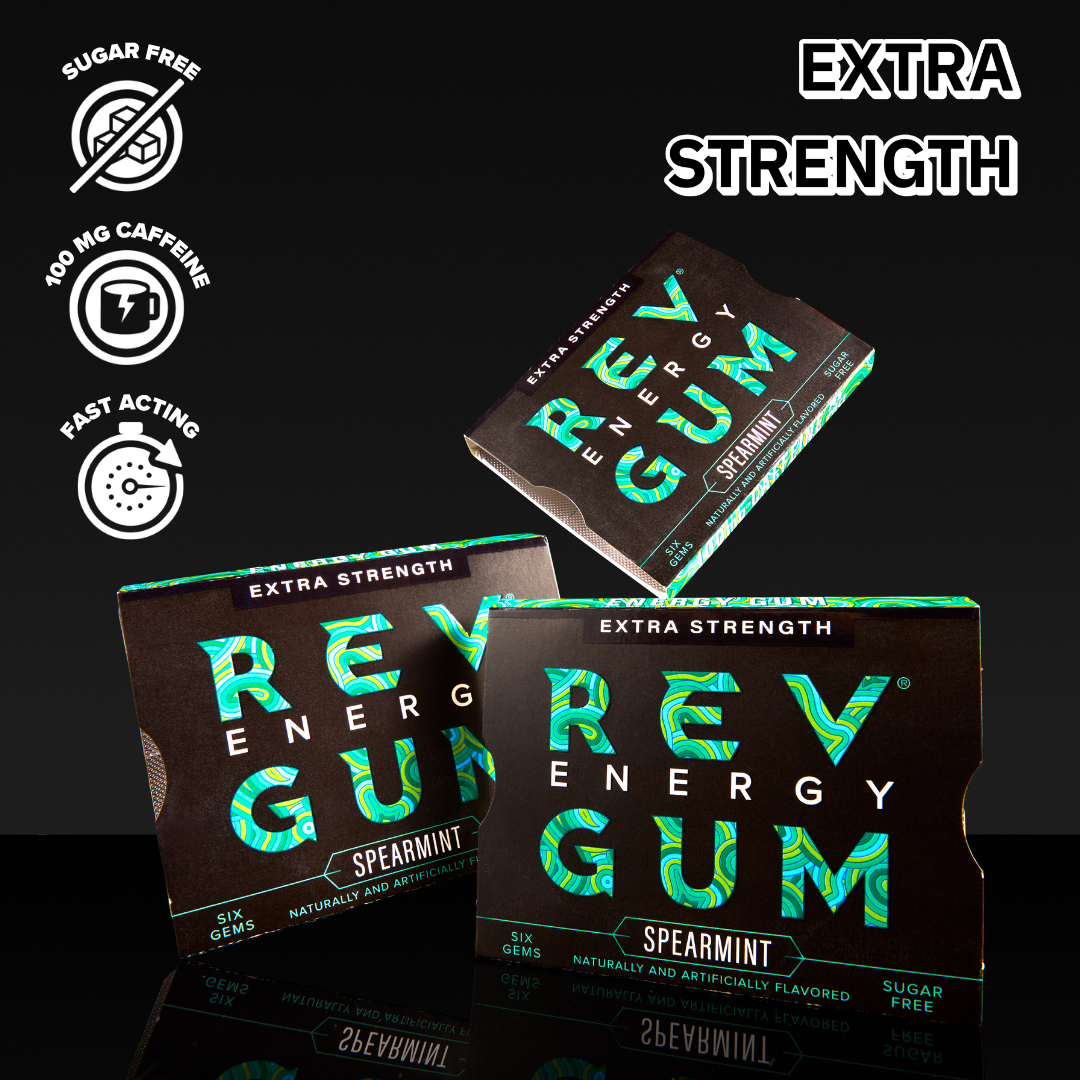
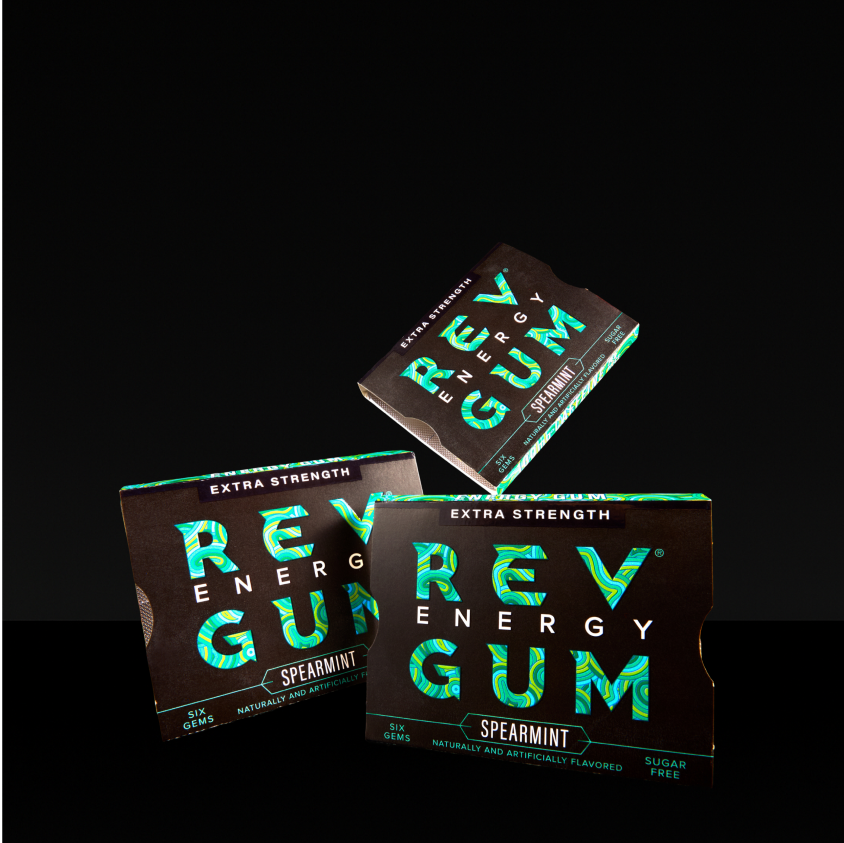
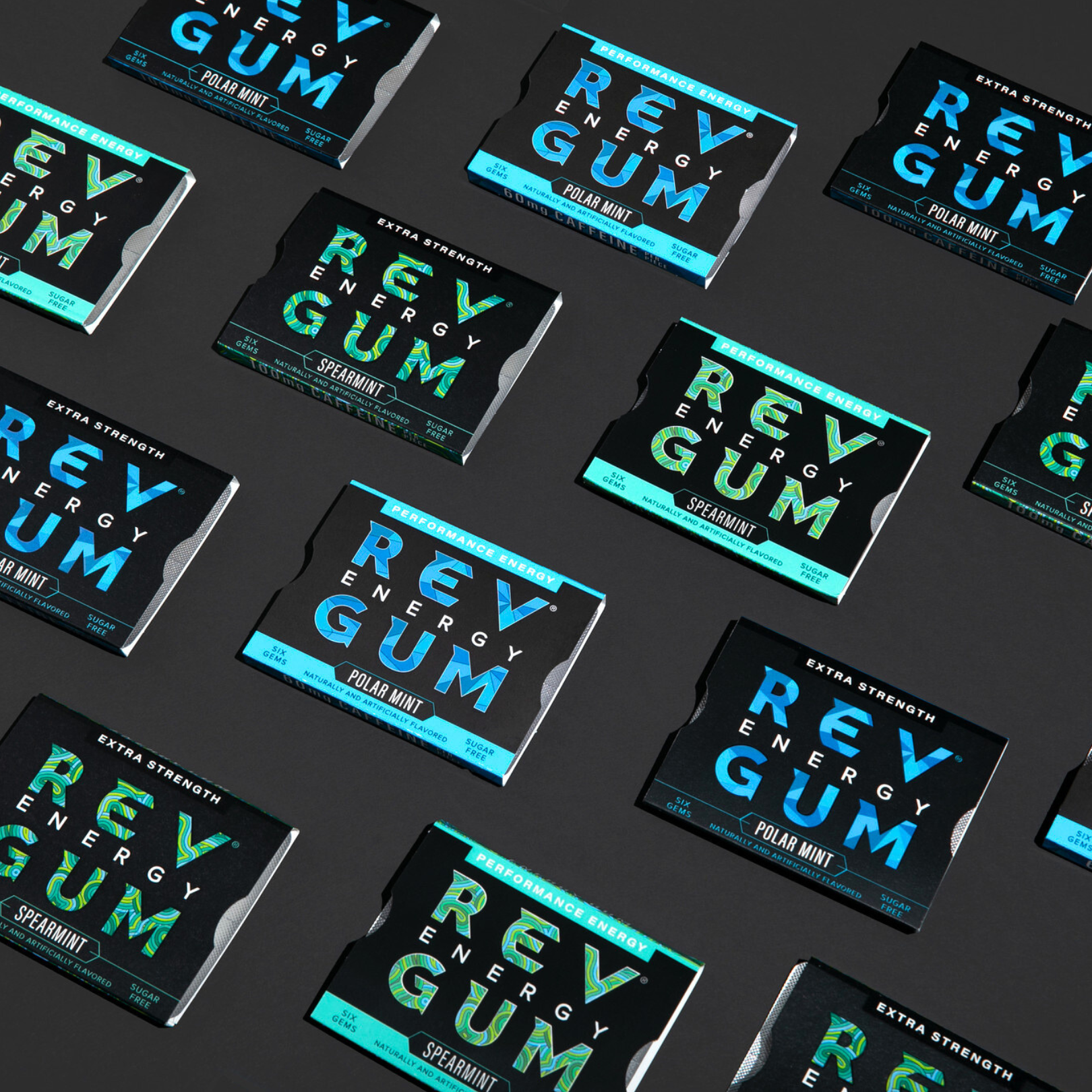
The study used a 300 mg dose — that's three pieces of REV Extra Strength, a high dose that suits some athletes but not everyone. Start lower if you're caffeine-sensitive, test it in training before race day rather than on race day, and keep your total daily caffeine in mind (the FDA cites 400 mg/day as generally safe for healthy adults). Gum supplements performance — it doesn't replace water or fueling.
Read the full study: Caffeine gum improves 5 km running performance in recreational runners completing parkrun events — European Journal of Nutrition (2024)