



Caffeine Gum for Driving
By Blake Settle, founder of REV Gum.
Drowsy driving is a real risk, and the standard fixes are a coffee that takes 40 minutes to work, an energy drink that leaves you with a can and a sugar crash, or cracking the window. This article explains why caffeine gum is a practical tool for drivers, what the research actually shows, and where to find it on the road. We make caffeine gum. Read accordingly.
One thing first: caffeine is not a substitute for sleep. If you are fighting to keep your eyes open, pull over. Caffeine can help you finish a stretch you are alert enough to drive; it cannot make an unsafe driver safe.
What the simulator research shows
Reyner and Horne (Psychophysiology, 2000) tested 200 mg of caffeine against placebo in sleep-restricted drivers on an early-morning simulated motorway drive. Caffeine reduced lane-drifting incidents and self-reported sleepiness for a meaningful stretch of the drive. Other simulator studies have found similar results for caffeine's effect on sleepiness and driving performance, and a combination of caffeine with a short nap has performed well in this research.
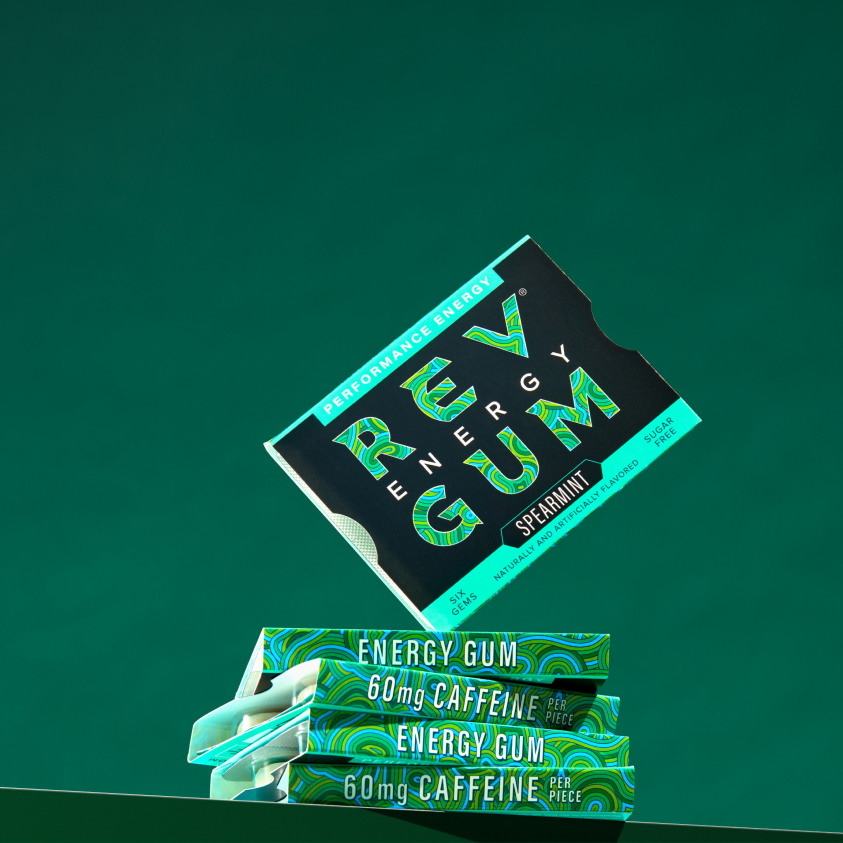
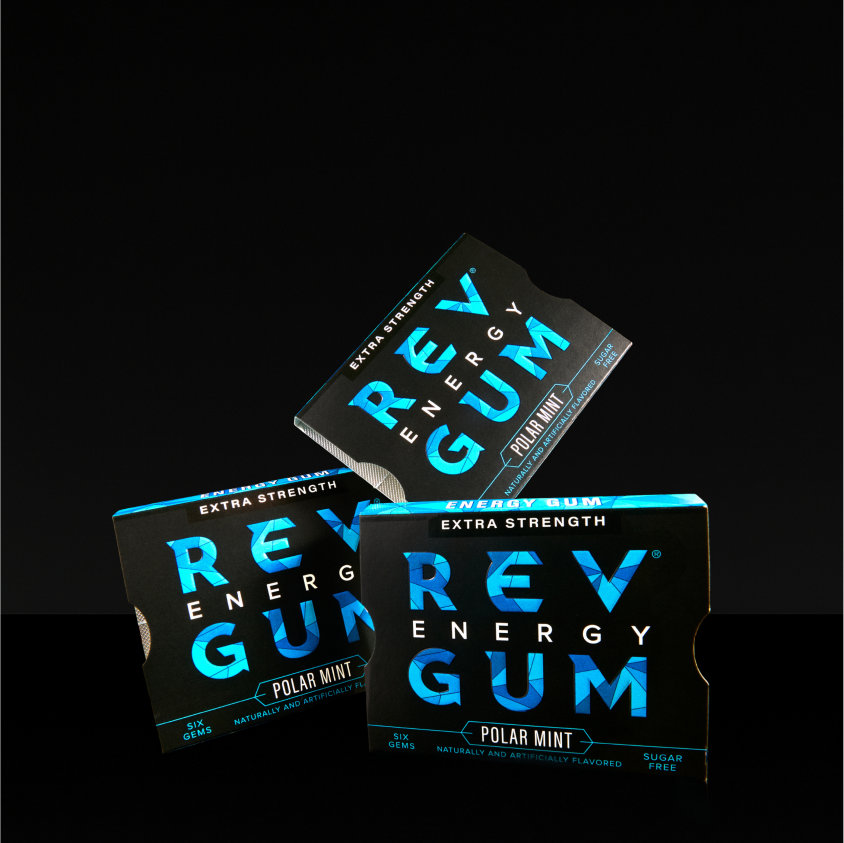
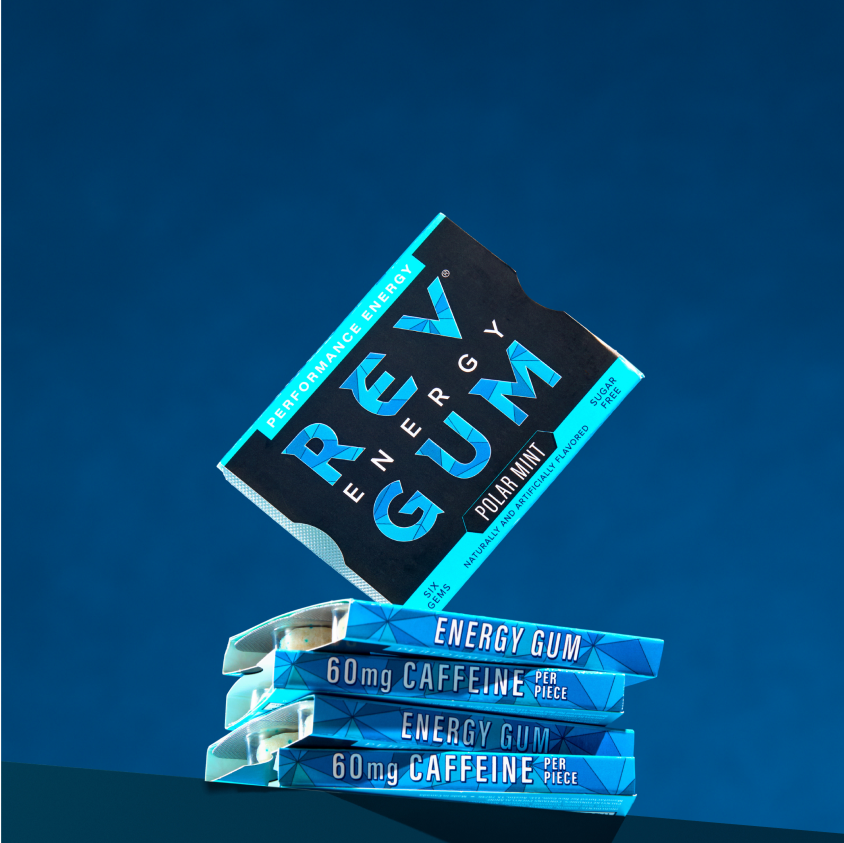
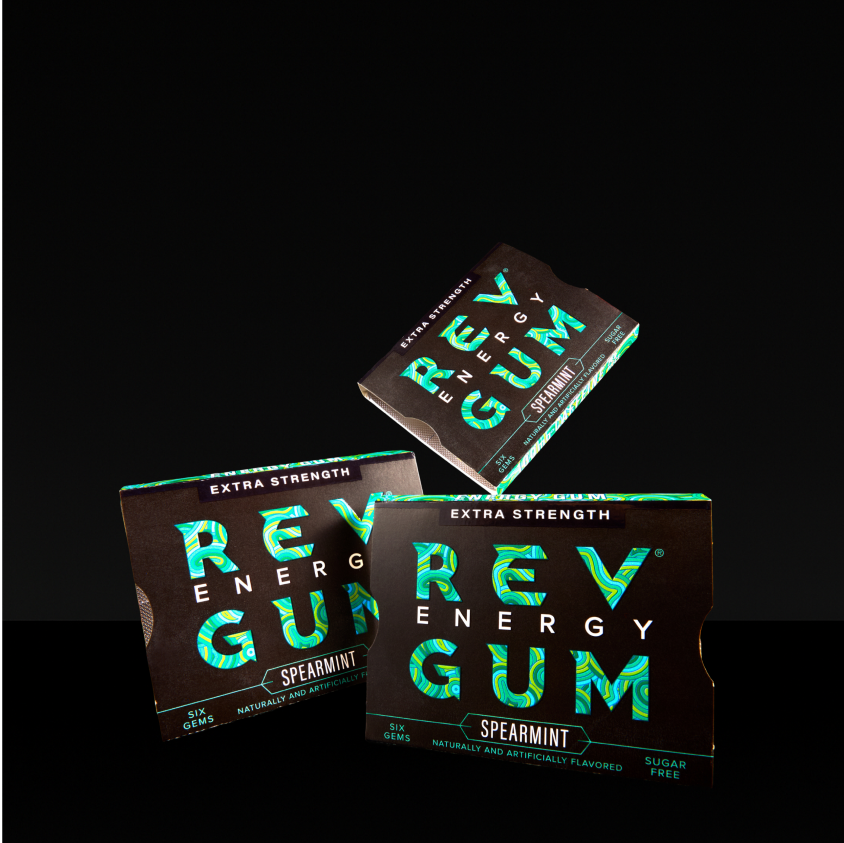
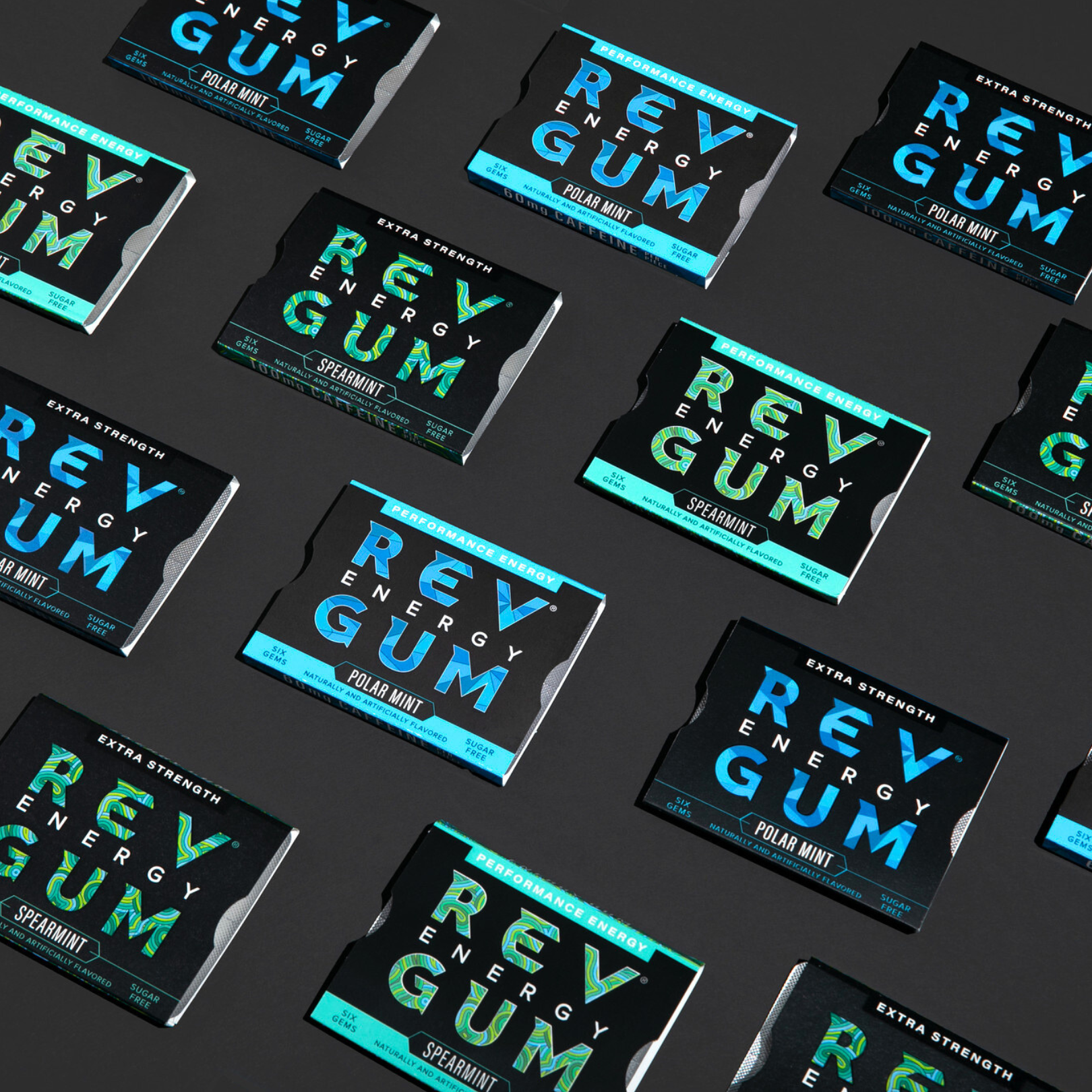
The dose in that study, 200 mg, is two pieces of REV Energy Extra Strength or three to four pieces of REV Energy Performance. It is also roughly the dose in many large coffees, though coffee varies a lot.
Why gum works well in a vehicle
It is fast. Caffeine from gum is absorbed through the lining of the mouth and is felt in roughly 5 to 10 minutes. Kamimori et al. (International Journal of Pharmaceutics, 2002) found caffeine gum was absorbed faster than capsules. If you start to fade, a coffee bought now helps you in 40 minutes; gum helps you in 10.
No liquid. No cup, no spill, no bathroom stop, no cold coffee in the holder.
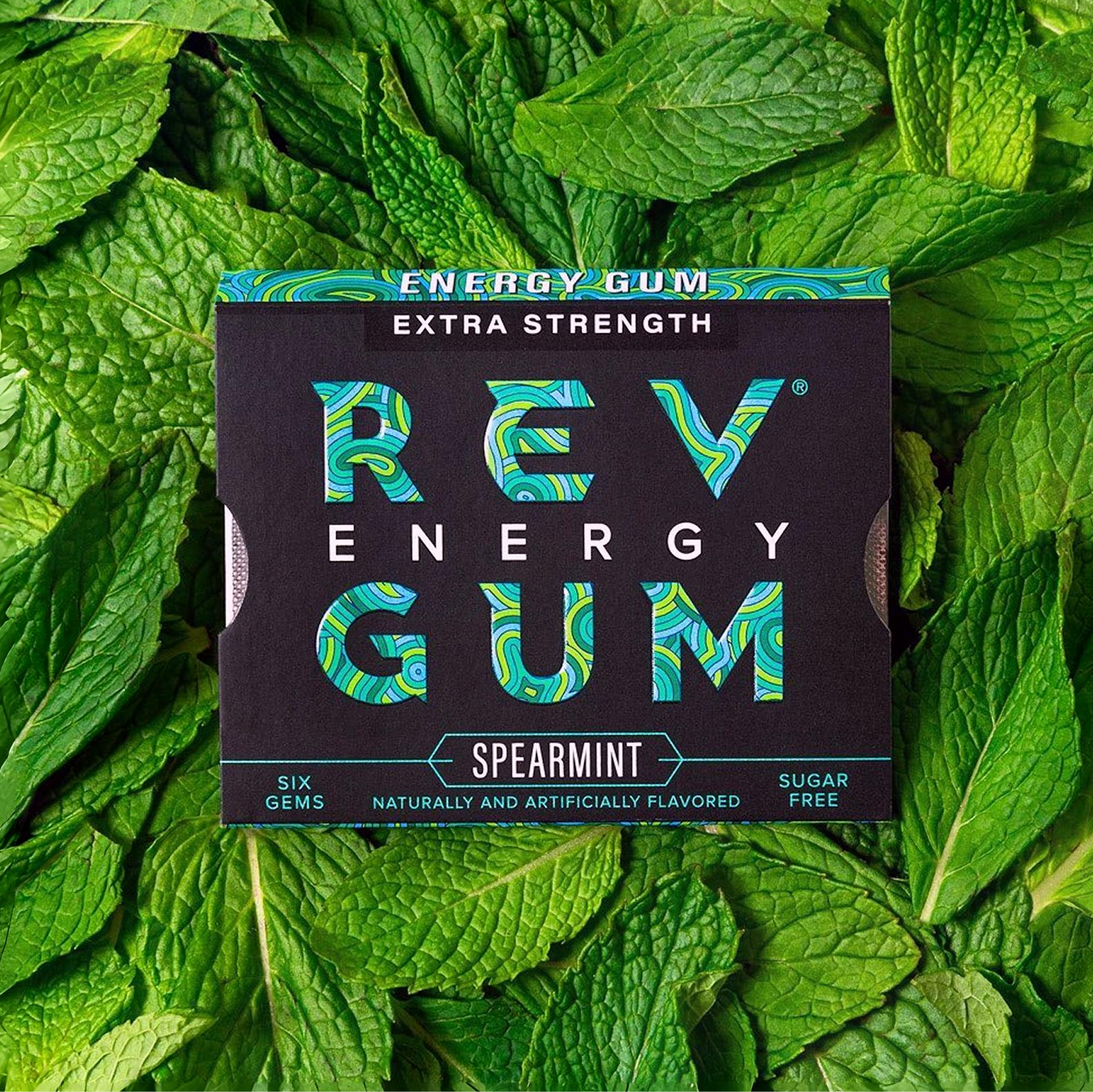
Fixed dose. Each piece of REV is 60 or 100 mg. You know what you have taken and can add one piece at a time as needed.
It keeps your mouth busy. Chewing itself helps some drivers stay engaged. That is anecdotal, not a study result.
It lives in the door pocket. A 12-pack of REV is 72 pieces. It does not go bad in a hot cab the way a cold drink goes warm.
How to use caffeine gum on a long drive
- Chew one piece when you first notice you are less sharp, not when you are already nodding. Chew for at least 5 minutes.
- Wait 15 minutes before deciding whether you need a second piece. Because onset is fast, you will know.
- Space it out. On a long haul, one piece every couple of hours as needed keeps the level steadier than a big dose at the start.
- Count the coffee. If you had two truck-stop coffees already, you may be closer to 400 mg for the day than you think. The FDA's general guidance for healthy adults is 400 mg per day from all sources.
- Stop caffeine about 6 hours before you plan to sleep. Caffeine taken 6 hours before bed still disrupts sleep measurably (Drake et al., Journal of Clinical Sleep Medicine, 2013). For a trucker on a reset, that matters more than the last hour of the drive.
- If you are drowsy, stop driving. Caffeine plus a 15 to 20 minute nap at a rest area is what the research supports for genuine sleepiness. Gum alone is not.
For shift commuters
The drive home after a night shift is one of the highest-risk drives there is. Gum helps here, but the 6-hour rule cuts the other way: caffeine at 7 a.m. for a 30-minute commute may cost you daytime sleep. One 60 mg piece for the drive, rather than a 100 mg piece or an energy drink, is a reasonable compromise. If your commute is short, a nap before driving may be better than caffeine at all. See our night shift guide.
Where to buy REV on the road
REV is stocked at truck stops and convenience stores along most US routes: Pilot Flying J, Love's, Buc-ee's, Circle K, and 7-Eleven, as well as about 4,100 Walmart stores, Kroger, CVS, Walgreens, and Dollar General. Look near the register with the gum and mints. If your regular stop does not carry it, it is on Amazon and at chewrevgum.com, where a 12-pack (72 pieces) is $35.98 for Performance (60 mg) or $38.00 for Extra Strength (100 mg).
Safety
- Not for children.
- If you are pregnant, limit caffeine and consult your doctor.
- If you feel jittery or your heart is racing, stop.
- Caffeine does not sober you up, does not replace sleep, and does not make it safe to drive when you are exhausted.
Related
FAQ
Does caffeine help with drowsy driving?
Simulator research, including Reyner and Horne (Psychophysiology, 2000), found 200 mg of caffeine reduced sleepiness and lane-drifting in sleep-restricted drivers. It helps a driver who is tired but alert enough to drive. It does not replace sleep.
How fast does caffeine gum work while driving?
Roughly 5 to 10 minutes, because it is absorbed through the mouth. Coffee typically takes 30 to 45 minutes.
How much caffeine gum should I chew on a long drive?
Start with one piece (60 or 100 mg) when you first feel less sharp, chew for at least 5 minutes, and wait 15 minutes before adding another. Keep your daily total under 400 mg, counting coffee and energy drinks.
Can truckers buy REV Gum at truck stops?
Yes. REV is stocked at Pilot Flying J, Love's, Buc-ee's, Circle K, and 7-Eleven, plus Walmart and major drugstores. It is also on Amazon and chewrevgum.com.
Should I use caffeine gum for the drive home after a night shift?
It can help, but caffeine within about 6 hours of sleep disrupts sleep. Use the smallest dose that works, such as one 60 mg piece, or consider a short nap before driving instead.