









STUDY: How Caffeine Sharpens the Brain's Attention Response
Why does caffeine make you feel mentally sharper? A 2026 systematic review of 63 controlled human studies looked directly at the brain's electrical activity — and found caffeine consistently speeds up how quickly the brain evaluates and responds to what's in front of it, especially when you're tired.
The Study at a Glance
Type: Systematic and mechanistic review (PRISMA 2020), the highest tier of evidence
Published: Nutrients (2026)
Scope: 63 controlled human studies, screened from 761 records
Method: Synthesized caffeine's effects on event-related potentials (ERPs) — direct EEG measures of brain processing, especially the P300, a marker of attention and stimulus evaluation
What They Found
The most consistent finding: caffeine shortened or preserved the latency of the brain's P300 response — meaning the brain evaluated and acted on information faster. When people were fatigued, sleep-deprived, or under sustained-attention or high-workload demands, caffeine also restored or boosted the strength (amplitude) of that response, effectively counteracting the mental slowing that fatigue causes. In rested, low-demand situations the effects were smaller — caffeine's cognitive edge shows up most when you actually need it: tired, taxed, or grinding through a long task.
Why This Matters for REV
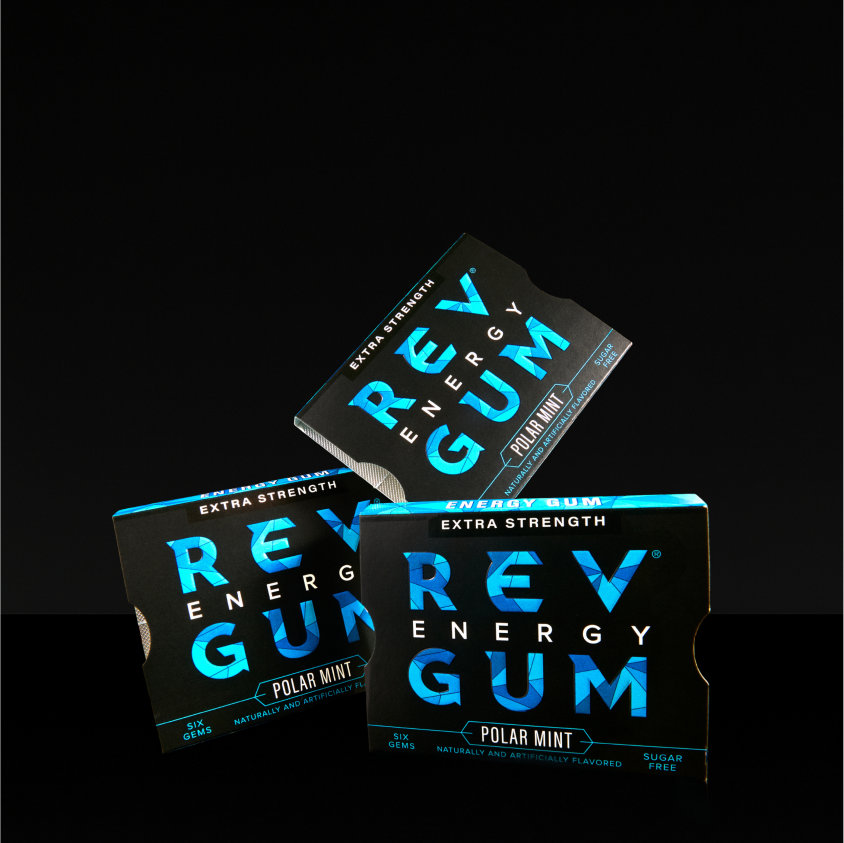
This is the neuroscience behind REV's "improve focus / mental clarity" claim — measured at the level of brain activity, not just self-report. It also explains when caffeine helps most: demanding tasks and fatigue, exactly the moments people reach for REV. And because REV absorbs in minutes, that attentional benefit arrives when you need it rather than 45 minutes later.
A Few Caveats
The authors are careful: effects were context-dependent, not a uniform "amplification," and the evidence is limited by varied study methods, small samples, and a focus on healthy young adults — so it may not generalize to children, older adults, or long-term heavy caffeine users. Higher doses (~200–400 mg) weren't uniformly better and in some cases weakened early sensory processing.
Read the full study: The Caffeinated Brain Part 1: The Effects of Caffeine on Event-Related Potentials — Nutrients (2026)